The big ideas from the world's best books, free in 5 minutes
Like a movie trailer, but for books. Watch, listen, or read along, then go as deep as you want.
Great lessons shouldn't depend on spare time, money, or how you learn. Free in 8 languages, for everyone.
1M+ books on demandListen and read alongStart without an account
The 10 Best Finance Books
By Farid, founder of StoryShots ·
Most personal finance advice fits on an index card: spend less than you earn, avoid expensive debt, buy index funds and wait. The hard part is behavior, so these ten are ranked by how well they change it. Each has a free 5-minute summary to read or listen to. None of them is advice about your own situation.
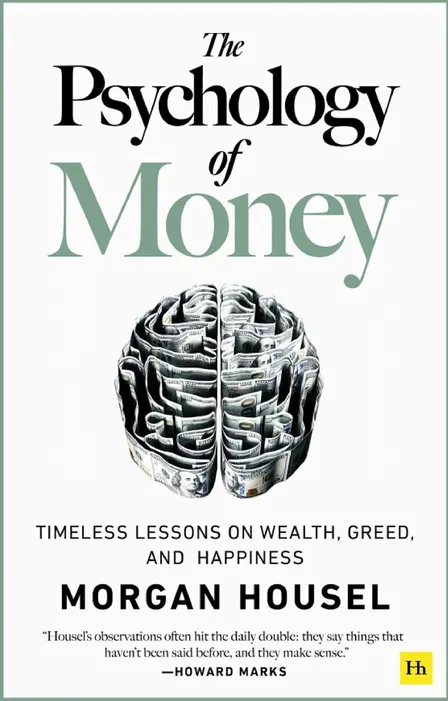
If you only read one:The Psychology of Money. It's about how you behave with money, which is the part most people get wrong.
Twenty short chapters on why smart people make bad money decisions, and why staying wealthy is a different skill from getting wealthy. No spreadsheets and no stock tips. The book we'd hand anyone who's just had their first paycheck.
The book that taught millions the difference between an asset and a liability. Kiyosaki's specifics are vague and some are bad advice, and the core idea that a salary alone won't set you free still lands. Read it for the mindset, then read Collins for the method.
Parables set in ancient Babylon, written in 1926: pay yourself first and don't invest in what you don't understand. Simple to the point of quaint, and still right. You can read it in an afternoon.
Letters to a daughter that became the most-recommended investing book in the early-retirement crowd. Avoid debt, buy a total market index fund, hold through the crashes. The most practical book on the list.
A six-week program for automating your money, then spending without guilt on the things you love. Sethi is brash and specific, down to the scripts for getting fees waived. It's written for Americans, and the system works elsewhere with different accounts.
Buffett called it the best book about investing ever written. Mr. Market and the margin of safety both start here. Dense and dated in places, and the commentary in the revised edition helps. The summary gets you the ideas first.
Robbins interviewed fifty of the biggest names in investing and came back with index funds and low fees. The All Weather portfolio chapter is the useful part. It's very long and very Tony, so the summary does a lot of work here.
Baby steps out of debt, starting with a small emergency fund and the debt snowball. Ramsey is strict and his investing advice is dated, but for someone drowning in credit card debt nothing on this list works faster. Skip it if you're debt-free.
The opposite of every other book here: stop saving for a retirement you'll be too old to enjoy, and spend on experiences while you can. A useful correction for people who over-save. Risky advice for anyone who hasn't saved anything yet.
Housel's follow-up, on the other half of the equation: what money is for once you have some. Why more rarely fixes what you think it will, and how to spend in a way you won't regret. Read it after The Psychology of Money.
Just starting: The Psychology of Money, then The Simple Path to Wealth. In debt: The Total Money Makeover. Want a system: I Will Teach You to Be Rich. Want to invest seriously: The Intelligent Investor. Saving too hard: Die with Zero. Want the mindset first: Rich Dad Poor Dad or The Richest Man in Babylon.
Frequently asked questions
What is the best personal finance book for beginners?
The Psychology of Money. It's short and it fixes behavior, which matters more than any technique.
Is Rich Dad Poor Dad still worth reading?
For the mindset, yes. For specific advice, no. Pair it with The Simple Path to Wealth.
Which book should I read to start investing?
The Simple Path to Wealth first, then The Intelligent Investor once you want to understand why it works.