The big ideas from the world's best books, free in 5 minutes
Like a movie trailer, but for books. Watch, listen, or read along, then go as deep as you want.
Great lessons shouldn't depend on spare time, money, or how you learn. Free in 8 languages, for everyone.
1M+ books on demandListen and read alongStart without an account
The 10 Best Psychology Books
By Farid, founder of StoryShots ·
Psychology is the genre most likely to sell you a study that didn't replicate. The ten below are ranked partly on how well they've held up, and each note says plainly when something has been walked back. Each has a free 5-minute summary.
If you only read one:Influence. Six ways people get you to say yes, and you'll catch all six being used on you within a week.
Reciprocity, commitment, social proof, authority, liking, scarcity. Cialdini went undercover in sales jobs to find the levers, and forty years later they're still the levers. The rare psychology book whose findings you can check against your own inbox.
The intuitive mind and the deliberate mind, and how the first one runs the show while the second takes credit. It's foundational and long, and Kahneman was honest about which chapters lean on shaky studies. Everyone cites it; fewer have finished it.
Attachment theory applied to adult relationships: anxious, avoidant, secure, and why anxious and avoidant people keep finding each other. It'll explain a relationship you've had. Simplifies a complicated field, but the simplification is useful.
Half memoir of the camps, half the psychology Frankl built from them: people survive when they have a why. Short, and one of the few books here that's also a good book.
Fixed versus growth mindset: whether you think ability is set or built. The effect sizes turned out smaller than the book implies, and it's still a useful lens for how you talk to yourself and to kids. Read it knowing that.
The state where the task is hard enough to absorb you and not so hard it breaks you, and why it's where most people report being happiest. Academic in tone. The idea is worth the slog.
The case that introversion is a temperament, not a flaw, and that schools and offices are built for the other kind. Changed how a lot of people understood themselves. Skip the chapters on brain scans; keep the rest.
Why humans do what they do, traced backward from the second before an act to the millennia before it: hormones, brain, childhood, culture, evolution. Enormous and the most rigorous thing here. If the size puts you off, the summary lays out that timeline in five minutes and makes the book far less daunting.
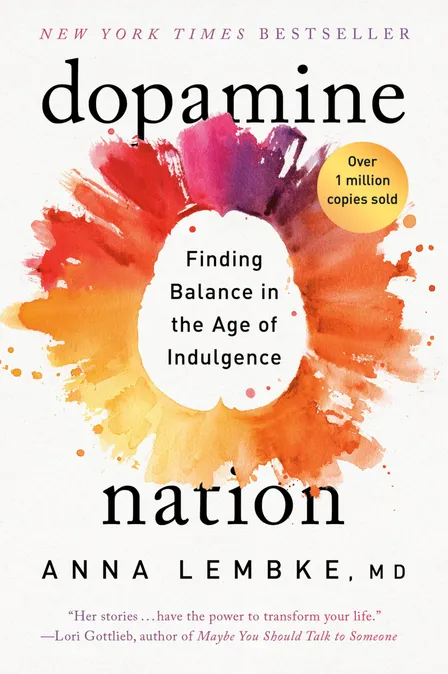
An addiction psychiatrist on why a world of cheap pleasure makes everyone a little addicted, and what actually resets the balance. Lembke writes plainly and leans on her own patients' stories. The advice is uncomfortable because it's simple.
The book that put the phrase in every job description. Recognizing your emotions, managing them, reading other people's. Dated in places and overclaimed in others, but it named something real and it's still the reference.
Want to understand persuasion: Influence. Decisions: Thinking, Fast and Slow. Relationships: Attached. Motivation: Man's Search for Meaning, then Flow. Yourself: Quiet or Mindset. The whole animal: Behave.
Frequently asked questions
What is the best psychology book for beginners?
Influence. The examples come from everyday life, and you don't need any background to follow it.
Which psychology books have held up scientifically?
Influence, Behave and Attached have aged best. Thinking, Fast and Slow and Mindset are still valuable but read them knowing some of the underlying studies were weaker than they looked.
What psychology book explains relationships?
Attached. It's the one most therapists end up recommending.