The big ideas from the world's best books, free in 5 minutes
Like a movie trailer, but for books. Watch, listen, or read along, then go as deep as you want.
Great lessons shouldn't depend on spare time, money, or how you learn. Free in 8 languages, for everyone.
1M+ books on demandListen and read alongStart without an account
The 10 Best Self-Improvement Books
By Farid, founder of StoryShots ·
Self-help is where the most books get sold and the fewest get finished. This list is ranked by a harder test: which ones people come back to a year later. Ten of them, each with a free 5-minute summary, so an afternoon is enough to find the one you'll actually read.
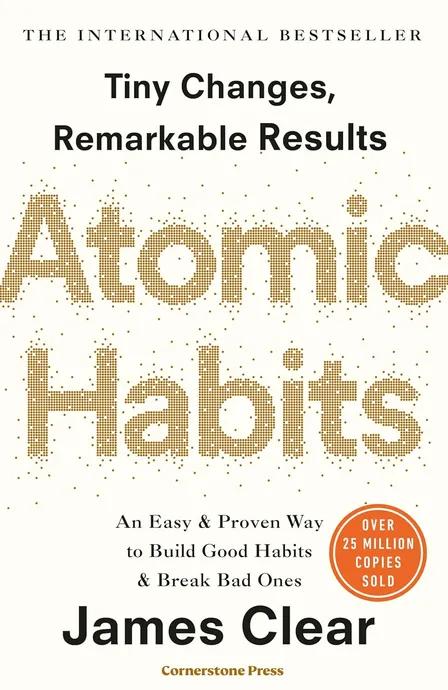
If you only read one:Atomic Habits. Every other book here tells you what to change. This one is how.
Small changes, compounding. Make the good habit obvious, attractive, easy and satisfying; do the reverse for the bad one. It's the most practical book in the genre and the one that actually gets applied.
You have limited attention, so choose what deserves it, and stop treating every discomfort as a problem. Sweary on the cover, Stoic underneath. The best book here for people who hate self-help.
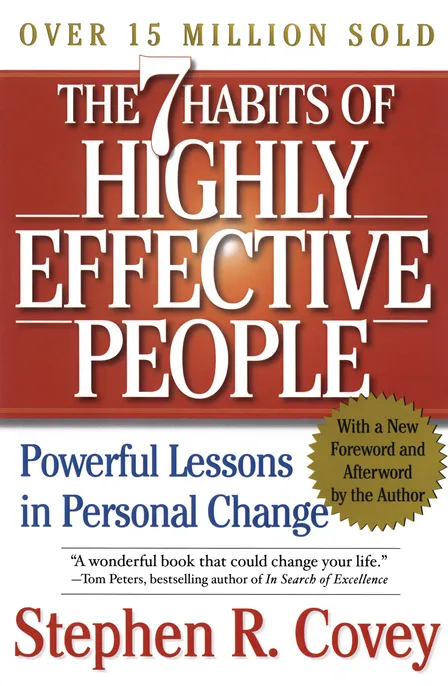
The one your parents read, and it's still the most complete. Be proactive, begin with the end in mind, seek first to understand. The tone is dated and it's long, but most newer self-help books are built on its ideas.
Whether you believe ability is fixed or grown changes what you attempt. The research effect is smaller than the hype; the lens is still worth having, especially if you're raising or managing anyone.
Be impeccable with your word, don't take anything personally, don't make assumptions, always do your best. That's the book. It's short, and spiritual in a way some readers won't like. The four rules stick anyway.
The extreme end of the shelf. Goggins's argument is that suffering on purpose builds a mind that can take anything. Not for everyone, and for the people it's for, nothing else works.
Most suffering is thinking about the past or the future; presence is the exit. It's repetitive and openly mystical. For a certain kind of anxious reader it's still the book that finally landed.
Old advice, delivered with force: take responsibility, tell the truth, compare yourself to who you were yesterday. Whatever you think of the author, the book pulled a lot of people out of a ditch. It's long, lobsters and all.
The newest book here and a very simple one: stop trying to control other people; let them, then decide what you do. It's one idea stretched to a book, and the idea is good enough to carry it for a lot of readers.
The high-energy original. Decisions shape destiny, change your state to change your results. It's loud and long. For thirty years it's also been where people start before going on to read everything else on this list.
Want to change what you do: Atomic Habits. Want to change what you worry about: The Subtle Art, The Four Agreements or The Let Them Theory. Want structure: 7 Habits or 12 Rules. Want intensity: Can't Hurt Me. Want calm: The Power of Now.
Frequently asked questions
What is the best self-improvement book of all time?
Atomic Habits is the most useful. The 7 Habits of Highly Effective People is the most influential.
What is a good self-help book for someone who hates self-help?
The Subtle Art of Not Giving a F*ck. It's the genre making fun of itself while still doing the job.
Is The Let Them Theory worth reading?
Yes, if you catch yourself trying to manage other people's choices. It's one simple idea, and the book shows it at work in careers, families and friendships. The summary gets you the idea in 5 minutes; the book is where you see it tested against situations like yours.