The big ideas from the world's best books, free in 5 minutes
Like a movie trailer, but for books. Watch, listen, or read along, then go as deep as you want.
Great lessons shouldn't depend on spare time, money, or how you learn. Free in 8 languages, for everyone.
1M+ books on demandListen and read alongStart without an account
The 10 Best Productivity Books, Summarized
By Farid, founder of StoryShots ·
Most productivity book lists are forty titles long and tell you nothing about which one to read. This one is ten, ranked, with a plain reason for each and an honest note on who should skip it. Every book here has a free 5-minute summary on StoryShots that you can read or listen to, so you can pick the right one to start with.
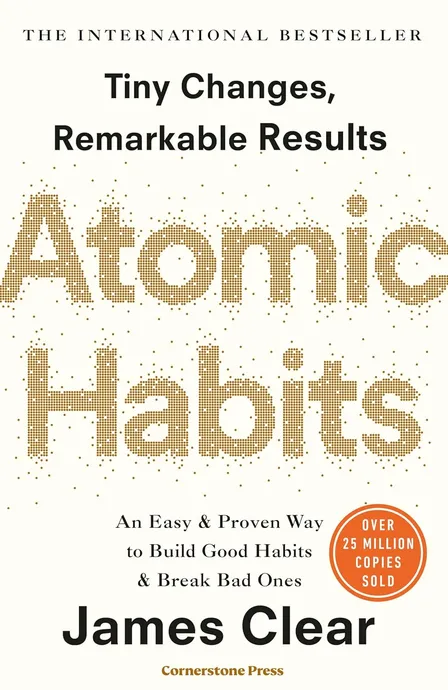
If you only read one:Atomic Habits. Everything else on this list is easier to apply once that one's in place.
The book that turned habit-building into a system: cue, craving, response, reward, and the 1% improvement compounding over a year. It's not original science, but nobody has explained the science more usably. Skip it only if you've already read The Power of Habit and actually applied it.
The argument that focused, uninterrupted work is both rare and valuable, and that most knowledge workers have trained themselves out of it. The second half is the practical part: scheduling deep blocks, quitting the tools that fragment attention, and ending the workday on purpose. Skip it if your job is genuinely reactive; Newport has little patience for that reality.
One idea, hammered home: do fewer things, deliberately. The useful part is the permission it gives you to say no to good opportunities, not just bad ones. It's repetitive, which is either the point or a flaw depending on how much you needed to hear it.
The original productivity system, still the most complete. Capture everything, decide the next physical action, review weekly. The full method is heavy and most people run a stripped-down version, which is fine. Read this for the capture-and-clarify habit even if you never build the whole machine.
Newport's correction to his own audience: do fewer things, work at a natural pace, obsess over quality. It lands hardest for people who've optimized their way into burnout. Less tactical than Deep Work, more about how to think about a career in decades rather than sprints.
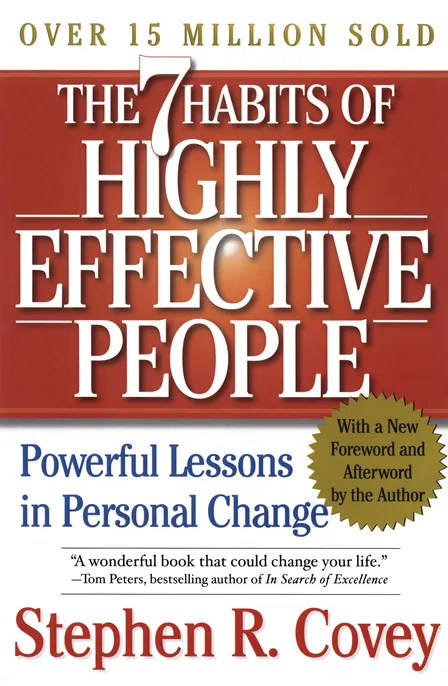
The old one, and still the one that holds up. "Put first things first" and the urgent-versus-important matrix are the productivity ideas most other books quietly borrow. The tone is dated and it runs long, but the habits themselves haven't aged.
The counter-argument to grind culture: you get more done when the work feels good, and there are specific ways to engineer that. It's light and practical, written for people who find the discipline books exhausting. Skip it if you want rigor; read it if you want to stop dreading Monday.
The research behind everything Atomic Habits popularized, from the scientist who did a lot of it. Habits form through context and repetition, not willpower, which means changing your environment beats changing your mind. Drier than Clear's book and more trustworthy.
Eight ideas about productivity, each carried by a story: motivation, focus, goal-setting, decision-making, and so on. The stories are excellent and the framework is loose. Best read as a tour of the field rather than a system to adopt.
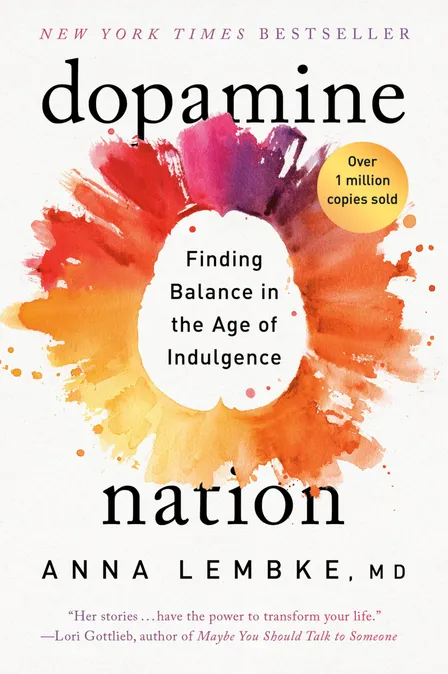
Nothing on the cover says productivity, yet it explains why the other books are so hard to follow. Lembke, an addiction psychiatrist, lays out how cheap rewards rewire the brain and what abstinence actually does to it. If you can't focus and don't know why, start here.
Want a system: Getting Things Done. Want habits: Atomic Habits, then Good Habits, Bad Habits if you want the evidence. Want focus: Deep Work, and Dopamine Nation if focus feels physically impossible. Want to do less: Essentialism or Slow Productivity. Want it to feel less like punishment: Feel-Good Productivity.
Frequently asked questions
What is the best productivity book for beginners?
Atomic Habits. It's short and concrete, and the ideas work whether you're fixing one habit or a whole routine. Most people should read it before anything else on this list.
Is Getting Things Done still relevant?
Yes. The tools have changed since 2001 but the method hasn't: get every task out of your head, decide the next action, review weekly. Most modern task apps are just GTD with a nicer interface.
Deep Work or Slow Productivity: which Cal Newport book first?
Deep Work if you can't concentrate. Slow Productivity if you can concentrate but you're exhausted. They fix different problems.
Can you learn productivity from a summary?
You can learn the idea in 5 minutes. Whether it changes anything depends on trying it for a month, and the full book is what keeps you at it. Use the summary to pick which book to live with for that month.